
Ever wondered how that perfect piece of clay ends up in your stash box – crisp, clean and ready to crunch? Behind every bite is a fascinating journey from earth to enjoyment.
Edible clays don’t just appear ready to eat. They’re carefully mined, cleaned, shaped, and dried (sometimes even roasted) to bring out their best texture and flavour. Think of it like nature’s own slow cooking – with a few careful human touches along the way.
Let’s take a peek behind the curtain at how edible clay travels from harvest to crunch.
1. The mining and collection stage
It all begins deep in the ground. Edible clays are found in naturally rich deposits – sometimes near riverbanks, hillsides or ancient mineral beds where the earth has weathered over time.
Skilled local diggers or small-scale miners extract the clay using simple tools like spades and pickaxes. It’s a hands-on process, guided by generations of knowledge. The best clay layers are chosen for their colour, texture, and purity – not too sandy, not too sticky, and with just the right mineral balance.
Once collected, the raw clay is packed and taken to be cleaned.
2. The washing and cleaning stage
Raw clay straight from the ground isn’t quite ready to crunch. It’s often full of tiny stones, roots, and natural debris. The first step is washing – mixing the clay with clean water to remove unwanted particles.
This process can take days. The clay is stirred, strained and left to settle, allowing heavier grit to fall to the bottom and fine clay to rise to the top. Once the clean layer has been separated, it’s drained and left to dry in the sun.
This step is crucial: proper washing gives clays their smoothness and purity, and prevents that gritty, sandy aftertaste.
3. Milling and shaping
Once clean and semi-dried, the clay is broken down, milled or moulded into shape. This can be done by hand or with small grinders, depending on tradition and scale.
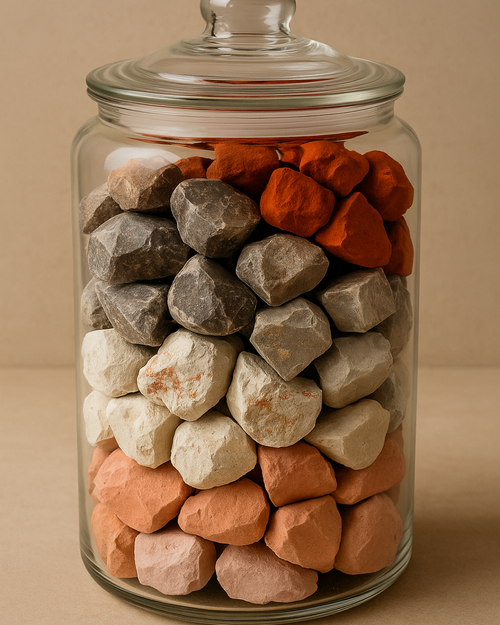
The clay may be rolled into logs, pressed into cubes, or shaped into sticks or discs. The thickness and shape determine how it will crunch later – thin pieces shatter sharply, while thicker ones offer a slow, hearty bite.
This is also where certain clays are left plain, while others are blended or folded for specific flavours or finishes.
4. Drying or sun-drying
Freshly shaped clay still contains moisture, so it must be thoroughly dried before it’s safe (and satisfying) to eat. The traditional method is sun-drying, where pieces are spread out under warm sunlight for several days.
Sun-drying gives clay its gentle, natural texture and helps retain subtle earthy aromas. The slower the drying, the smoother and more even the crunch.
In humid regions, clays may be dried indoors or in low-heat ovens to prevent mould and ensure consistency.
5. Roasting or baking
Some clays are enjoyed raw and air-dried, but others – especially darker varieties – are roasted. This step transforms both flavour and texture.
Roasting deepens the colour, enhances aroma, and develops that addictive smoky, petrol or charcoal-like taste that many crunchers crave. It also adds strength to the structure, making the clay harder and crispier.
The roasting temperature and time vary by region and recipe. Lighter toasting brings a clean, nutty note; heavy roasting gives a bolder, more burnt edge. Each method creates its own signature experience.
6. Cooling and airing
Once dried or roasted, the clays are cooled completely and aired out – a step that allows excess heat or moisture to escape. This “breathing period” helps stabilise the clay’s texture and gives it that dry, balanced snap when bitten.
At Earthy Crunch UK, all our clays, chalks and treats are aired out before packing, so what you receive is clean, crisp and ready to enjoy.
7. Packaging and storing
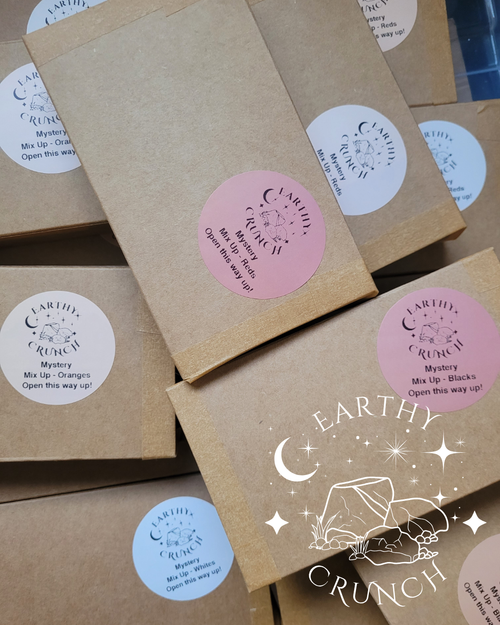
Finally, the clays are packed for freshness. At Earthy Crunch UK, each and every item comes in its own separate container – no plastic baggies in sight. Not only does this protect the flavour and prevent cross-contamination, but it also keeps microplastics far away from your natural earths.
Airtight tins and clear compartmented boxes help keep your collection organised, crunchy and protected from moisture.
The takeaway
From mining and washing to drying and roasting, edible clays go through a surprisingly careful process before reaching your hands (and teeth). Every step affects the final result – the texture, flavour, aroma and crunch factor that make each clay unique.
So the next time you break off a piece of your favourite earthy treat, take a moment to appreciate its journey. It’s not just dirt – it’s craftsmanship, tradition and nature combined.
Disclaimer: The content on this blog is for informational and hobbyist purposes only. Earthy Crunch UK products are not certified food-grade and are sold for collection, crafting, or sensory enjoyment. While some readers may choose to taste these natural earth materials, any consumption is entirely at your own discretion. We do not promote ingestion, and we cannot be held responsible for any adverse effects.
0 comments